Champi hair is more than just an oil massage — it is a centuries-old Indian ritual rooted in Ayurveda and family tradition. From childhood weekends to wedding preparations, the practice of oiling and massaging the scalp has long been associated with nourishment, bonding, and relaxation.
The word “champi” itself is believed to be the origin of the English word “shampoo.” Historically, it involved applying herbal oils to the scalp followed by a rhythmic massage to stimulate circulation and relax the nervous system.
In modern times, while salons offer luxury treatments, the traditional champi hair method remains simple and powerful:
In India’s climate — with heat, humidity, pollution, and stress — scalp health often determines hair strength. Instead of focusing only on styling products, traditional routines prioritize the roots.
And that’s where the real transformation begins.
Champi hair refers to the traditional method of applying oil to the scalp and massaging it thoroughly to improve scalp condition and relaxation.
It usually involves:
Unlike modern quick treatments, champi is about patience.
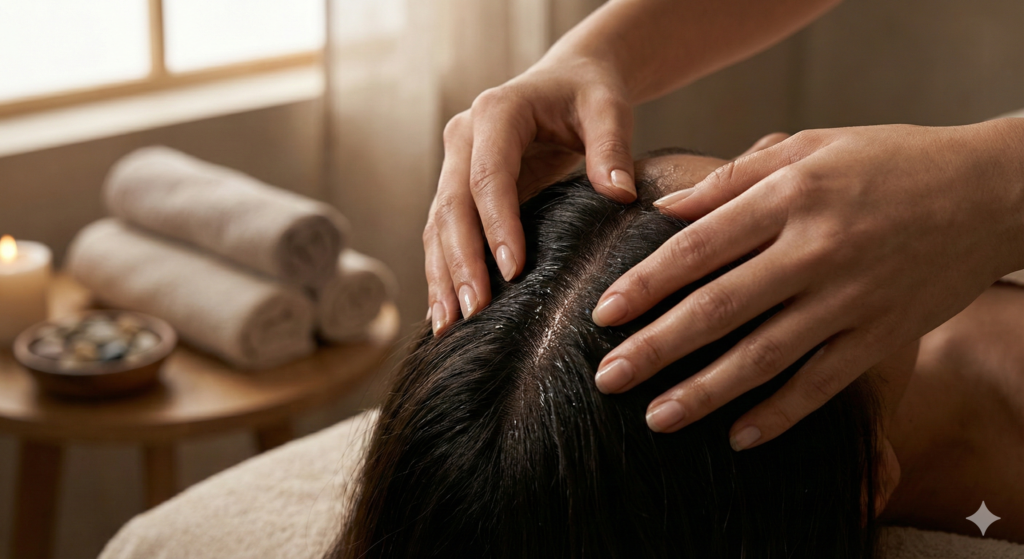
Massage increases blood flow to hair follicles, supporting healthier roots.
Oils help replenish moisture lost due to sun and pollution.
Herbal oils provide nourishment to the scalp surface.
Head massage reduces stress — and stress affects hair cycles.
Oil smooths the cuticle layer temporarily, enhancing gloss.
Massage relieves tension in the scalp muscles.
Consistency builds stronger hair habits.
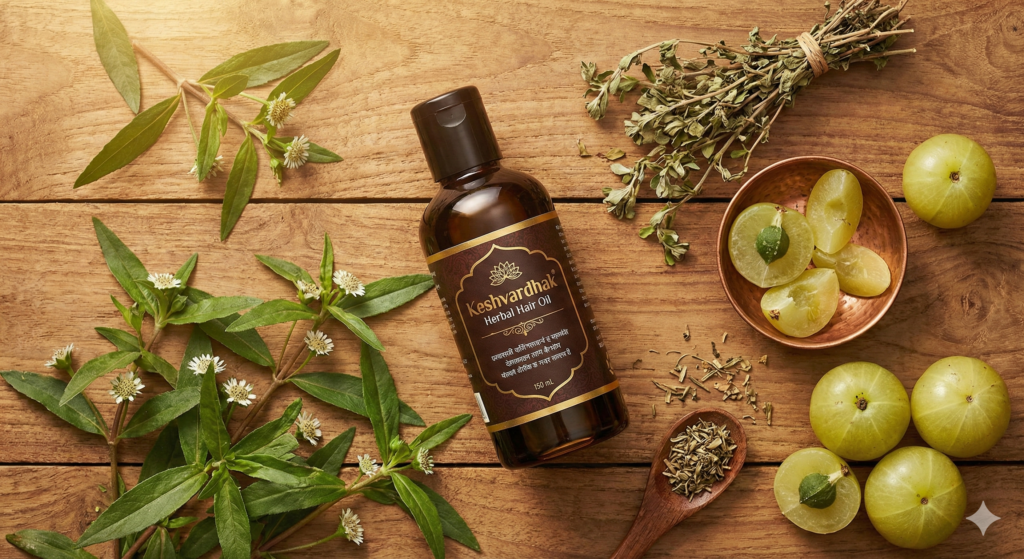
Traditional champi hair rituals often include Ayurvedic ingredients such as:
These herbs are historically associated with strengthening and nourishment.
For example:
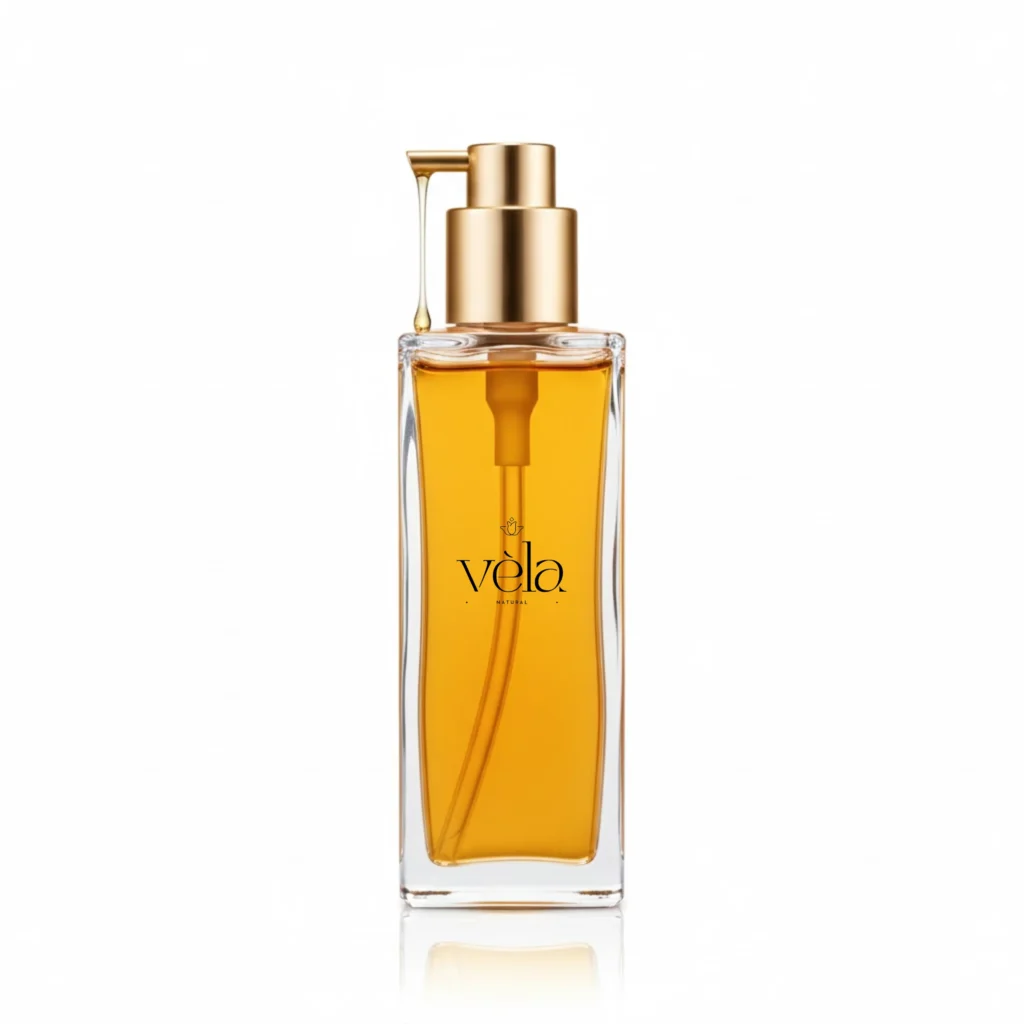
Champi Hair Oil with Bhringraj, Brahmi and Amla for Regrowth, Hairfall and Dandruff Control
This blend combines traditional ingredients in a balanced formula suitable for regular use. Its lightweight texture allows scalp absorption without excessive greasiness.
Modern formulations maintain the ritual while improving usability.
Step-by-step routine:
Weekly routine is ideal.
Overnight oiling is optional depending on comfort.
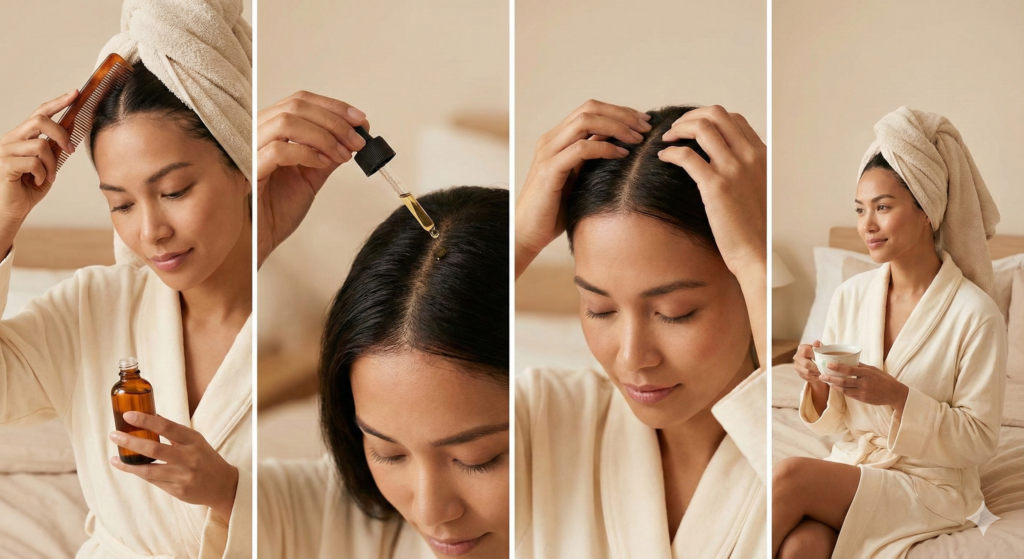
With busy schedules, many people skip oiling.
However, urban stress, heat styling, and pollution increase scalp strain.
Integrating champi hair once or twice weekly:
Modern consumers are rediscovering traditional rituals.
Gentle pressure works better than aggressive rubbing.
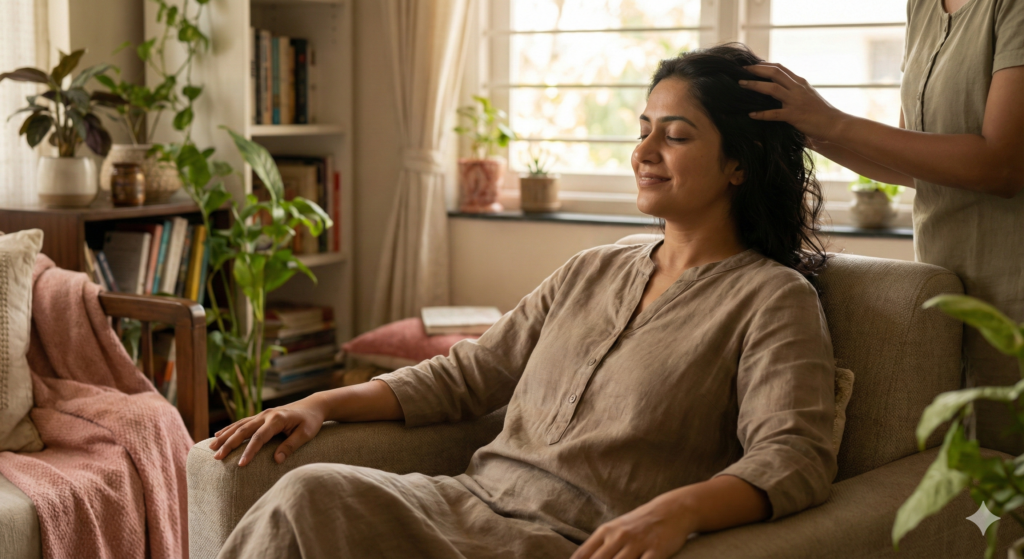
Healthy hair begins at the scalp.
When scalp is nourished:
Champi is not an overnight miracle — it is a maintenance ritual.
Over months of consistent care, results become noticeable.
While most people focus only on physical hair improvement, champi hair also plays an important emotional role.
Head massage stimulates nerve endings and promotes relaxation. In traditional households, this ritual often symbolized care and bonding. The gentle circular motion reduces scalp tension, which can accumulate due to stress, screen time, and long work hours.
Stress is one of the contributing factors to temporary hair shedding. While oil massage alone does not “cure” hair fall, creating a calming routine supports overall scalp balance.
Modern self-care trends are now rediscovering what Indian traditions practiced for centuries — slow rituals improve long-term wellness.
Not all hair types require the same oiling frequency. Customizing the routine makes it more effective.
Weekly oiling helps restore lost moisture. Focus on mid-lengths along with scalp.
Use lighter oil and keep massage duration moderate. Avoid excessive quantity.
Oil can help reduce frizz temporarily and improve softness before washing.
Use minimal oil to avoid heaviness. Concentrate mainly on scalp.
Understanding your hair type prevents overuse and buildup.
Climate plays a major role in scalp behavior.
Heat increases sweat and oil production. Use lightweight herbal oils and wash thoroughly.
Dry air causes flakiness. Slightly warming the oil before application enhances absorption.
Humidity may cause scalp congestion. Focus on scalp cleansing after oiling.
Adapting the ritual seasonally keeps it effective.
For most people:
Excess oiling without proper cleansing can clog follicles and cause heaviness.
Balance always produces better results than extremes.
Today, champi hair is not limited to home rituals. Spas and salons have adopted the technique, but the core principle remains unchanged:
Modern formulations now focus on non-sticky textures and easy wash-off properties, making the ritual more convenient for busy lifestyles.
However, the essence remains traditional.
It’s important to maintain realistic expectations.
Champi hair:
✔ Supports scalp health
✔ Improves temporary shine
✔ Encourages routine care
✔ Promotes relaxation
It does NOT:
✖ Instantly regrow hair
✖ Replace medical treatments
✖ Work overnight
Healthy hair improvement is gradual.
Over months of consistent care, scalp comfort improves, and hair often appears stronger and more manageable.
To enhance results:
Champi hair works best as part of a broader care system.
In an era driven by instant results and viral beauty hacks, champi hair stands as a reminder that sustainable care is rooted in consistency.
This traditional ritual combines nourishment, relaxation, and mindfulness. It supports scalp balance, reduces tension, and encourages healthier-looking strands over time. While it may not deliver overnight transformation, its long-term value lies in habit formation.
Modern haircare often focuses on styling and external shine. Champi, however, shifts attention to the roots — both literally and culturally.
By integrating this ritual once or twice weekly, you reconnect with a practice that prioritizes patience over speed. And when it comes to hair health, patience almost always wins.
Healthy hair is rarely accidental. It is built through rhythm, routine, and respect for the scalp.
Sometimes, the most powerful solutions are the simplest ones.