SPF 50 sunscreen is not just a summer essential — it is a daily skin protection strategy that dermatologists consistently recommend for long-term skin health. Whether you live in London, Manchester, New York, or Los Angeles, ultraviolet exposure happens year-round, even on cloudy days.
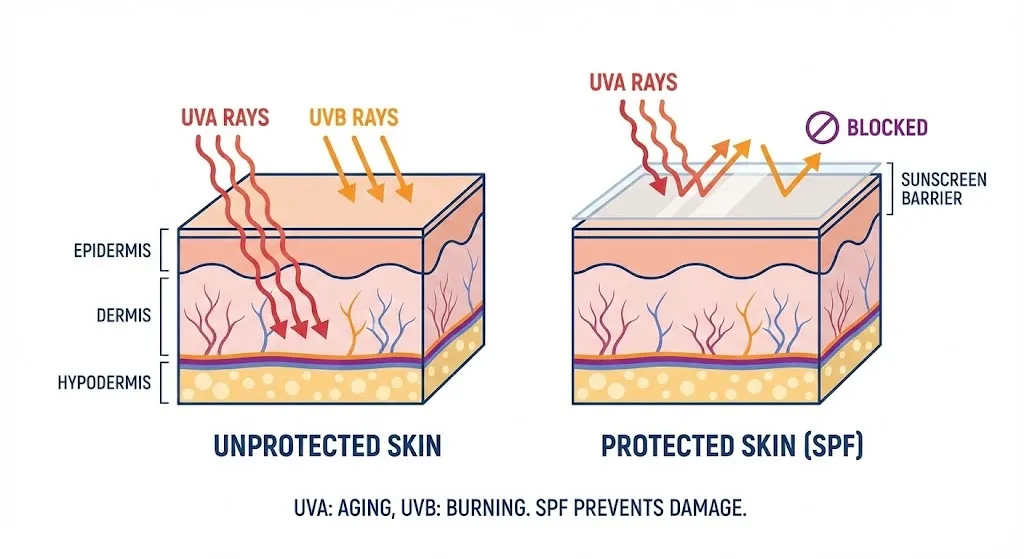
Many people associate sun protection with beach holidays, but up to 80% of UV rays can penetrate clouds. Add window exposure, daily commuting, and digital lifestyle patterns, and your skin is constantly under subtle environmental stress.
Over time, unprotected exposure contributes to:
The goal of modern skincare isn’t correction — it’s prevention. And prevention begins with consistent sun defense.
Daily use of a high-protection formula creates a shield between your skin and cumulative UV damage. It doesn’t just protect today — it protects your skin’s future appearance.
SPF stands for Sun Protection Factor. The number indicates how effectively the product protects against UVB rays — the primary cause of sunburn.
SPF 50 filters approximately 98% of UVB radiation when applied correctly. While no product blocks 100%, this level provides high daily defense for most skin types.
However, true protection also depends on:
In both the US and UK, dermatology guidelines emphasize daily broad-spectrum protection regardless of weather.
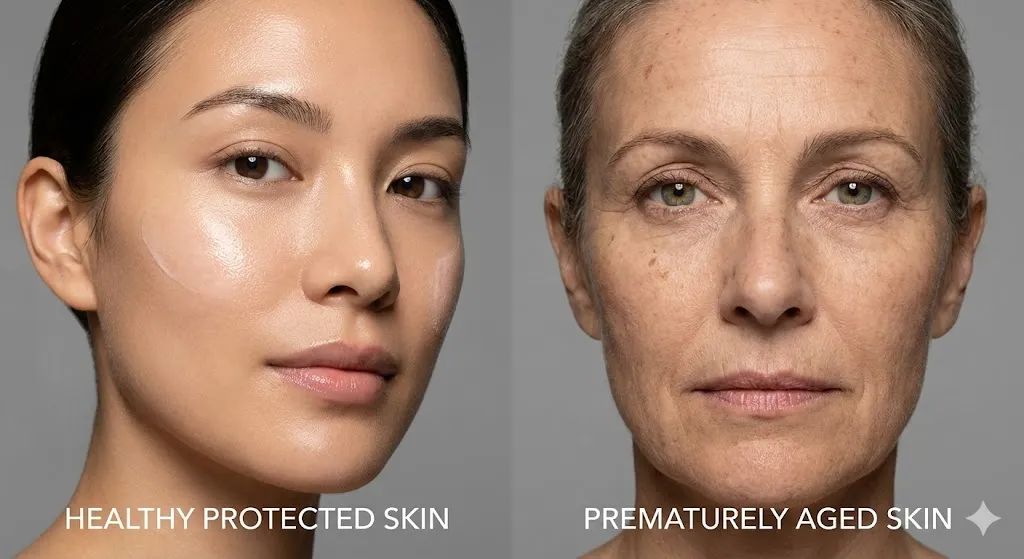
UV exposure accelerates collagen breakdown. Fine lines, loss of firmness, and uneven texture often appear earlier in unprotected skin. Daily high-level protection supports long-term elasticity.
Sun exposure triggers melanin production. Over time, this leads to dark spots and uneven tone. Consistent protection helps maintain clarity.
Without protection, inflammation and UV exposure contribute to blotchiness. Daily use maintains balance.
Even when skin doesn’t burn, cellular damage can still occur. Protection reduces cumulative stress.
Active ingredients like vitamin C, retinol, and niacinamide work best when skin is shielded from UV exposure.
Sun damage weakens the skin barrier, increasing dryness and sensitivity. Proper protection supports resilience.
From oily to dry, from fair to deep tones — every skin type benefits from consistent sun defense.
Under-application is one of the biggest mistakes.
Dermatologists recommend:
Reapply every two hours when outdoors. For daily indoor use, morning application is typically sufficient unless exposed to direct sunlight.
Consistency matters more than intensity.

Not all sunscreens feel heavy or greasy. Modern formulations are lightweight, breathable, and suitable under makeup.
For example:
VelaNatural SunShield Rice + Probiotic Sunscreen SPF 50+ PA++++
The right texture ensures compliance. If it feels good, you’ll use it consistently.
Many people assume cloudy or cold weather reduces risk. However:
In the UK especially, overcast skies create a false sense of security. In the US, regional UV index variations make daily protection equally important.
Seasonal changes do not eliminate exposure — they only shift intensity.

SPF in foundation is a supplement — not a substitute.
A simple morning structure:
SPF should be the final skincare step before makeup.
Allow 2–3 minutes for absorption before layering products.
Corrective treatments — peels, lasers, brightening serums — are often expensive and time-consuming. Prevention is simpler.
By using SPF 50 sunscreen consistently:
The cumulative benefit becomes visible over years, not days.
Think of it as a daily insurance policy for your skin.
Healthy skin is rarely the result of one miracle product. It’s built through consistency. Daily protection plays one of the most important roles in long-term appearance.
UV exposure accumulates silently. You don’t always see the damage immediately — but over time, the effects become visible. Choosing high-level daily protection helps maintain clarity, smoothness, and even tone for years to come.
The key is simple:
Apply enough.
Apply consistently.
Reapply when needed.
When sun protection becomes a habit rather than an afterthought, skin remains stronger, more balanced, and visibly healthier.
Prevention is quiet — but powerful.